
Recovering from gambling addiction Strategies for a fresh start
Understanding Gambling Addiction
Gambling addiction, often referred to as compulsive gambling or gambling disorder, manifests as an uncontrollable urge to gamble despite the negative consequences it may bring. This addiction can stem from a variety of factors including emotional, psychological, and environmental influences. Many individuals initially engage in gambling as a form of entertainment but can quickly find themselves entangled in a cycle of dependency, characterized by escalating bets and increasing financial strain. To enhance your experience, exploring platforms such as justcasino-nz.org/ can be an excellent option for players.
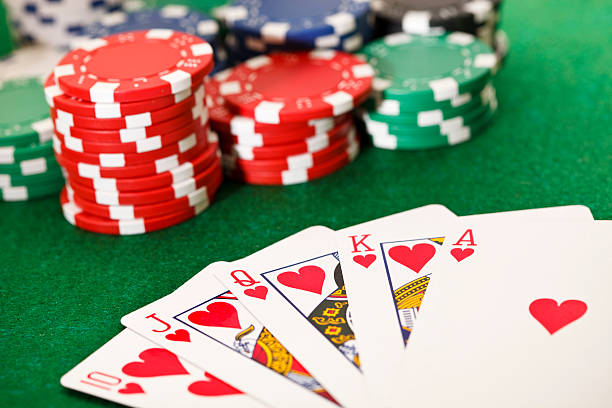
Recognizing the signs of gambling addiction is crucial for recovery. Common indicators include preoccupation with gambling, a need to gamble with increasing amounts of money, and experiencing withdrawal symptoms when not gambling. Moreover, individuals may lie about their gambling habits or use it as an escape from stress or depression. Understanding these signs is the first step towards seeking help and reclaiming control over one’s life.
Gambling addiction does not only affect the individual; it can have far-reaching implications for family and friends. Relationships may suffer due to secrecy, financial instability, and emotional distress. Recognizing the impact on loved ones can serve as a powerful motivator for change, highlighting the necessity of seeking help and support from both professionals and community resources.
Steps to Initiate Recovery
The journey to recovery begins with acknowledging the problem. This critical step often involves a moment of clarity where the individual realizes that gambling has become a destructive force in their life. By accepting the addiction, individuals can begin to take responsibility for their actions and make a commitment to change. This acceptance is often reinforced through support groups and counseling, where sharing experiences can foster a sense of community and understanding.
Setting clear and achievable goals is a fundamental aspect of the recovery process. These goals should focus on both short-term and long-term objectives, allowing individuals to gradually reduce their gambling behavior. Strategies such as creating a budget, finding alternative activities, and establishing a support network can be incredibly helpful. It’s essential to monitor progress and celebrate small victories, as this reinforces positive behavior and builds confidence in the recovery journey.
Additionally, exploring underlying issues is vital for sustainable recovery. Many individuals gamble as a coping mechanism for stress, anxiety, or depression. Engaging in therapy can uncover these deeper emotional concerns and equip individuals with healthier coping strategies. By addressing the root causes of gambling behavior, individuals can develop a more profound understanding of their addiction, making it easier to resist the urge to gamble.
Establishing a Support Network
Building a robust support network is crucial for anyone recovering from gambling addiction. This network can include family members, friends, and support groups who understand the challenges faced by individuals in recovery. Open communication with trusted individuals can provide emotional support and accountability, making it easier to stay on the right path. Family and friends can play a significant role by encouraging positive behaviors and providing a listening ear during difficult times.
Support groups, such as Gamblers Anonymous, offer a safe space where individuals can share their experiences and strategies for recovery. These groups foster a sense of belonging and understanding among members who are facing similar challenges. Sharing personal stories can be incredibly cathartic and reinforces the idea that individuals are not alone in their struggles. Furthermore, these groups often provide valuable resources and information about coping strategies, helping individuals navigate their recovery journey.
Incorporating professional counseling into the support network can also enhance recovery outcomes. Therapists trained in addiction can provide personalized strategies and tools tailored to individual needs. They help in identifying triggers and developing coping mechanisms, which are essential for preventing relapse. Combining the insights gained from support groups and professional therapy creates a comprehensive support system, significantly enhancing the chances of a successful recovery.
Developing Healthy Coping Mechanisms
As individuals move away from gambling, it is vital to develop healthy coping mechanisms to replace the habit. Engaging in hobbies, sports, or creative activities can fill the void left by gambling and contribute to overall well-being. These alternatives not only serve as distractions but also promote personal growth and fulfillment. Finding joy in new activities can redirect focus and energy away from gambling, leading to a more balanced lifestyle.
Mindfulness and stress-reduction techniques such as meditation, yoga, or deep-breathing exercises can also be beneficial in managing urges to gamble. These practices help individuals cultivate self-awareness and emotional regulation, making it easier to cope with cravings when they arise. Establishing a routine that includes these techniques can create a sense of stability and reinforce a commitment to a gambling-free lifestyle.
Additionally, cultivating strong emotional resilience is essential for long-term recovery. This can be achieved through positive self-talk, setting realistic expectations, and learning to cope with setbacks. Understanding that recovery is a journey and not a destination encourages individuals to approach their challenges with patience and determination. Embracing the process fosters a positive mindset that is crucial for maintaining long-term sobriety from gambling.

Finding Resources and Supportive Environments
Accessing resources tailored for gambling addiction recovery is key to a successful journey. Many organizations provide extensive information on treatment options, support groups, and counseling services. These resources often include hotlines and online forums where individuals can seek help without fear of judgment. By utilizing these resources, individuals can explore the various options available and choose a path that aligns with their recovery goals.
Engaging in community support initiatives can also bolster recovery efforts. Many communities host workshops, seminars, and support groups specifically designed for individuals recovering from gambling addiction. Participation in such events not only provides valuable information but also fosters a sense of belonging and connection with others who share similar experiences. These interactions can be incredibly empowering and reinforce the motivation to remain committed to recovery.
Creating an environment conducive to recovery is essential as well. This may involve distancing oneself from triggers associated with gambling, such as avoiding casinos or gambling websites. It may also mean finding new social circles that prioritize healthy habits and encourage positive behaviors. By surrounding oneself with supportive and understanding individuals, the journey towards recovery can become more manageable and fulfilling.
Comentarios recientes